




Lisboa Oceanário
Lisboa Oceanário Tickets
One Planet, One Ocean
The Lisbon Oceanário opened in 1998 during Expo ’98 to celebrate the 500th anniversary of Vasco da Gama’s voyage to India, evolving from a temporary exhibit into one of Europe’s largest indoor aquariums.
Architecture and Structure
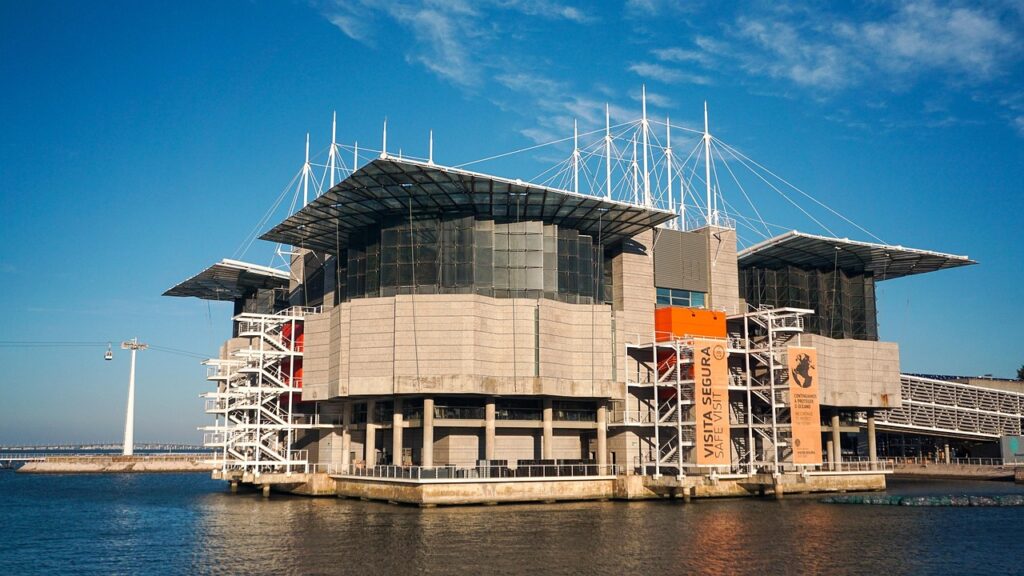
Designed by architect Peter Chermayeff, Lisboa Oceanário resembles a massive ship anchored in the Tagus estuary or an island surrounded by water, built on a pier with glass walls mimicking coastal cliffs for seamless indoor-outdoor views.
Central Tank and Habitats
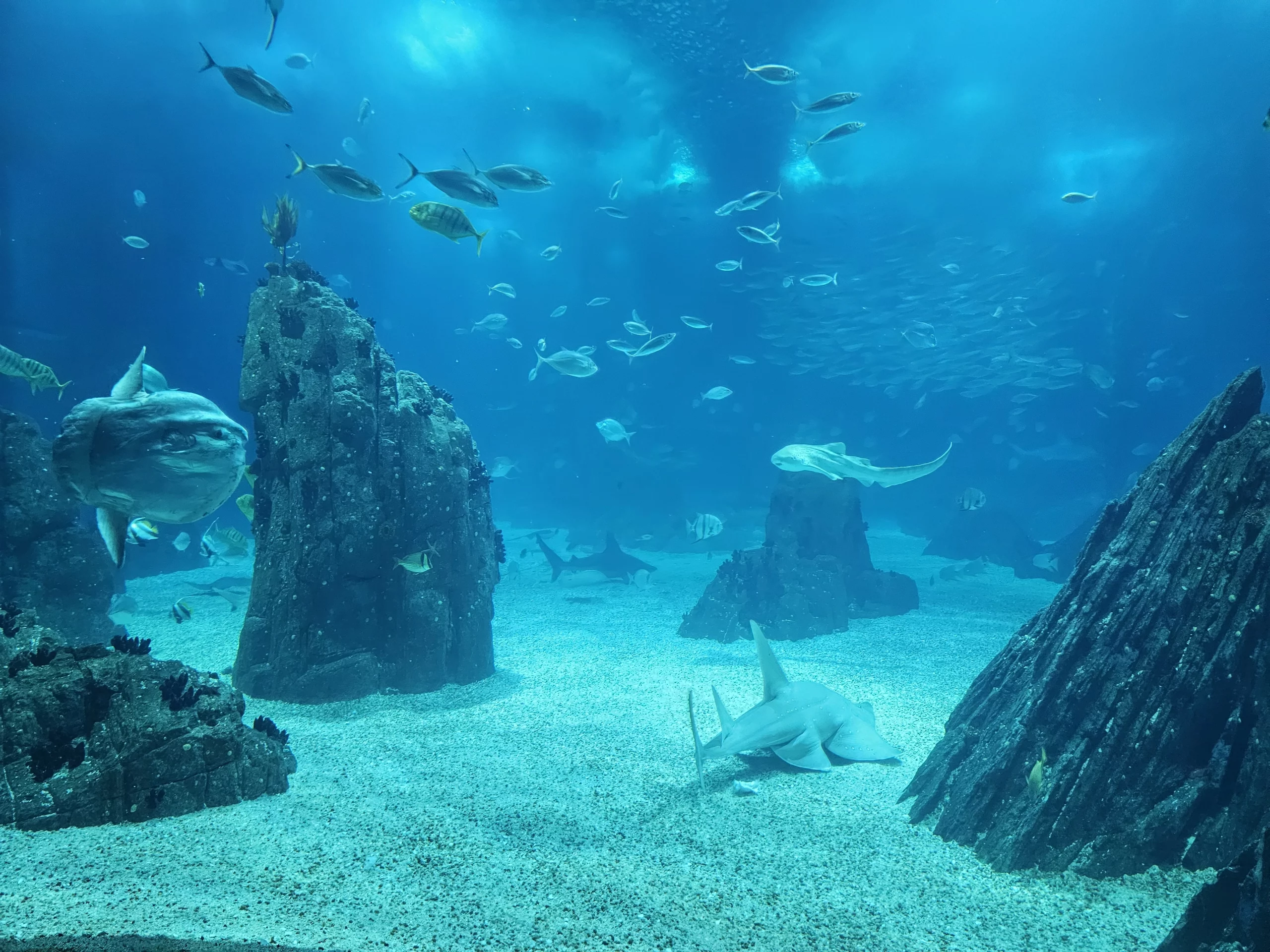
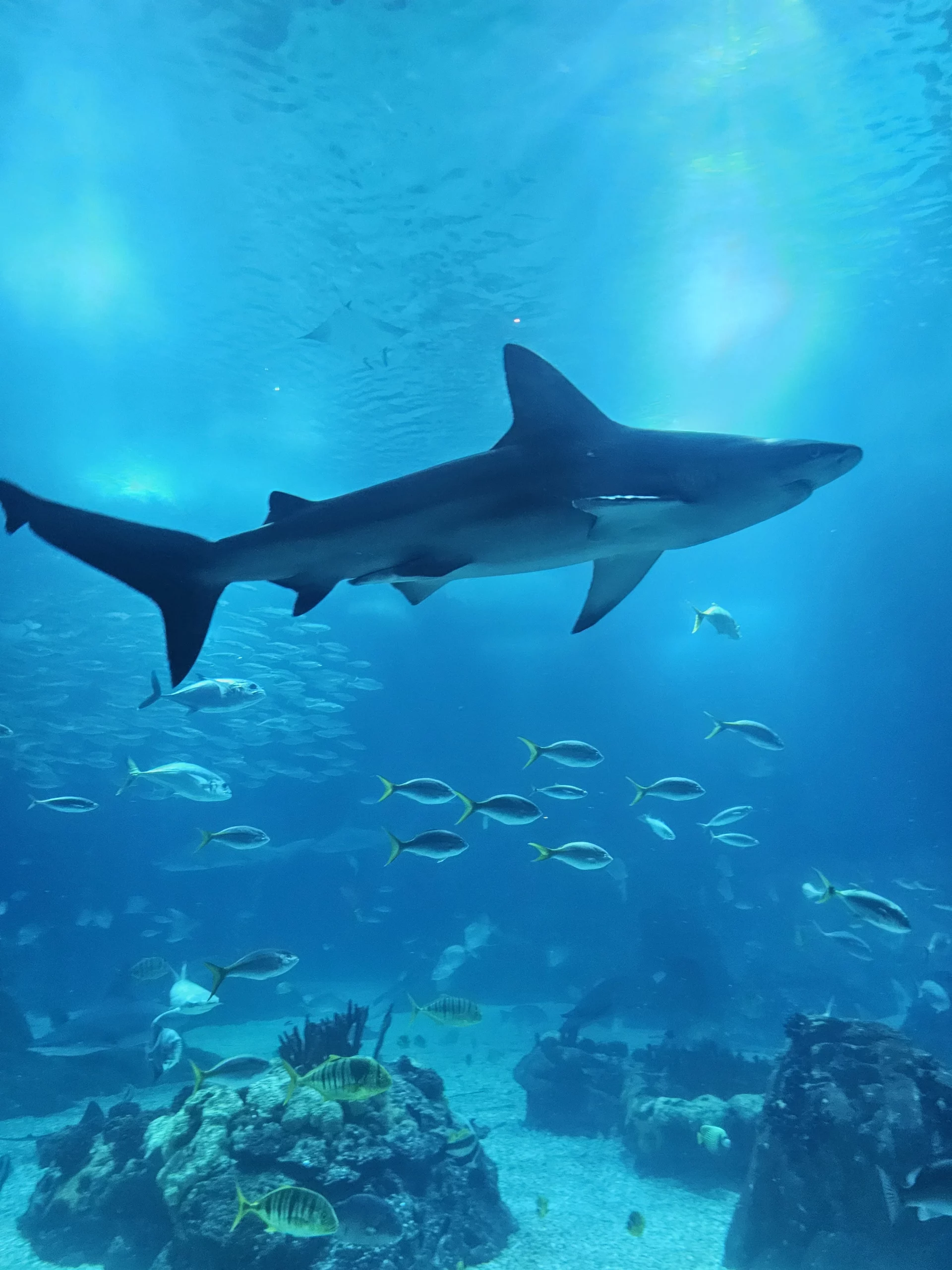
The imposing central aquarium, holding 5 million liters, represents the world’s oceans and is home to over 500 species, including sharks (such as sandbar sharks, zebra sharks, and whitetip reef sharks), rays (bull rays, violet ray and devil rays), sunfish, barracudas, garibaldi and clownfish.
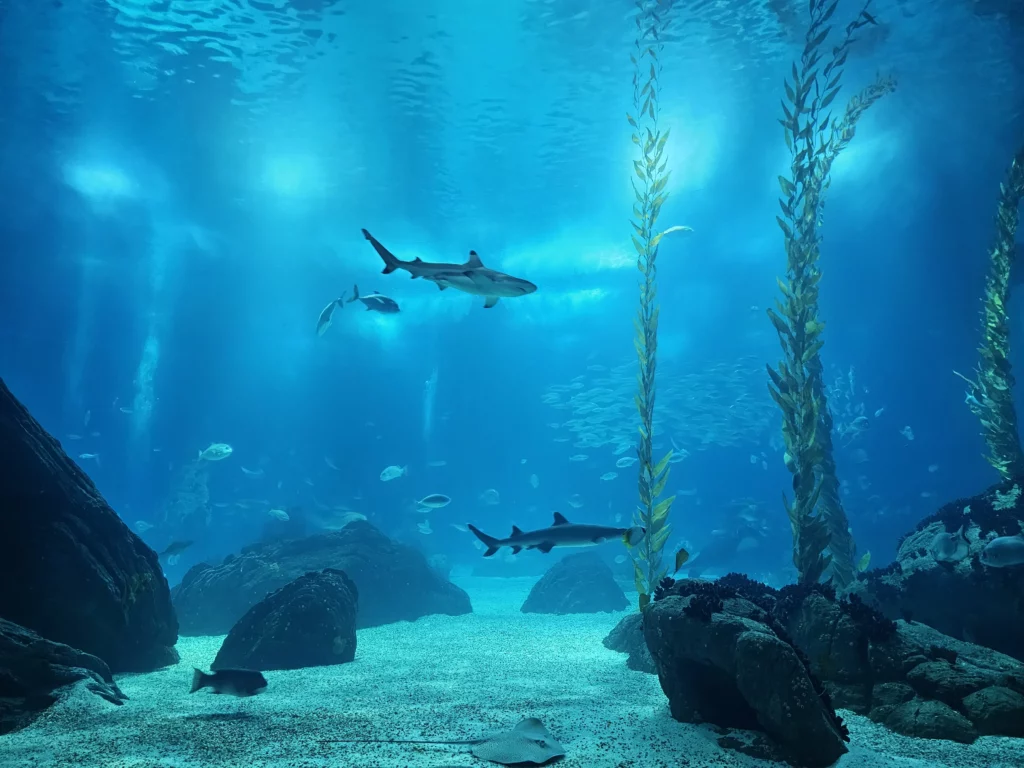
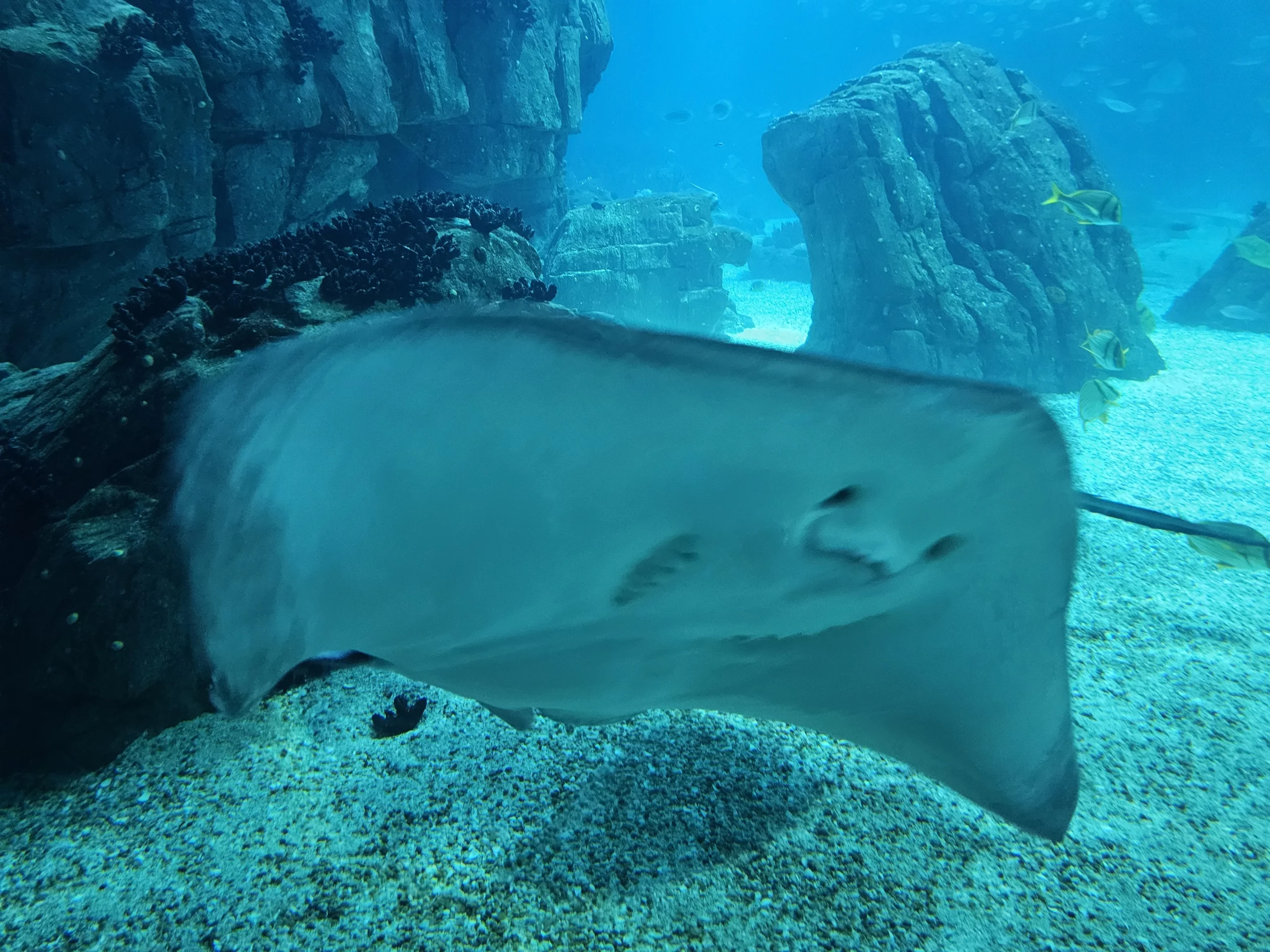
It is surrounded by four distinct marine habitats —North Atlantic (Azores coast), Antarctic, Temperate Pacific (rocky shores), and Tropical Indian (coral reef)—creating the illusion of a single ocean.
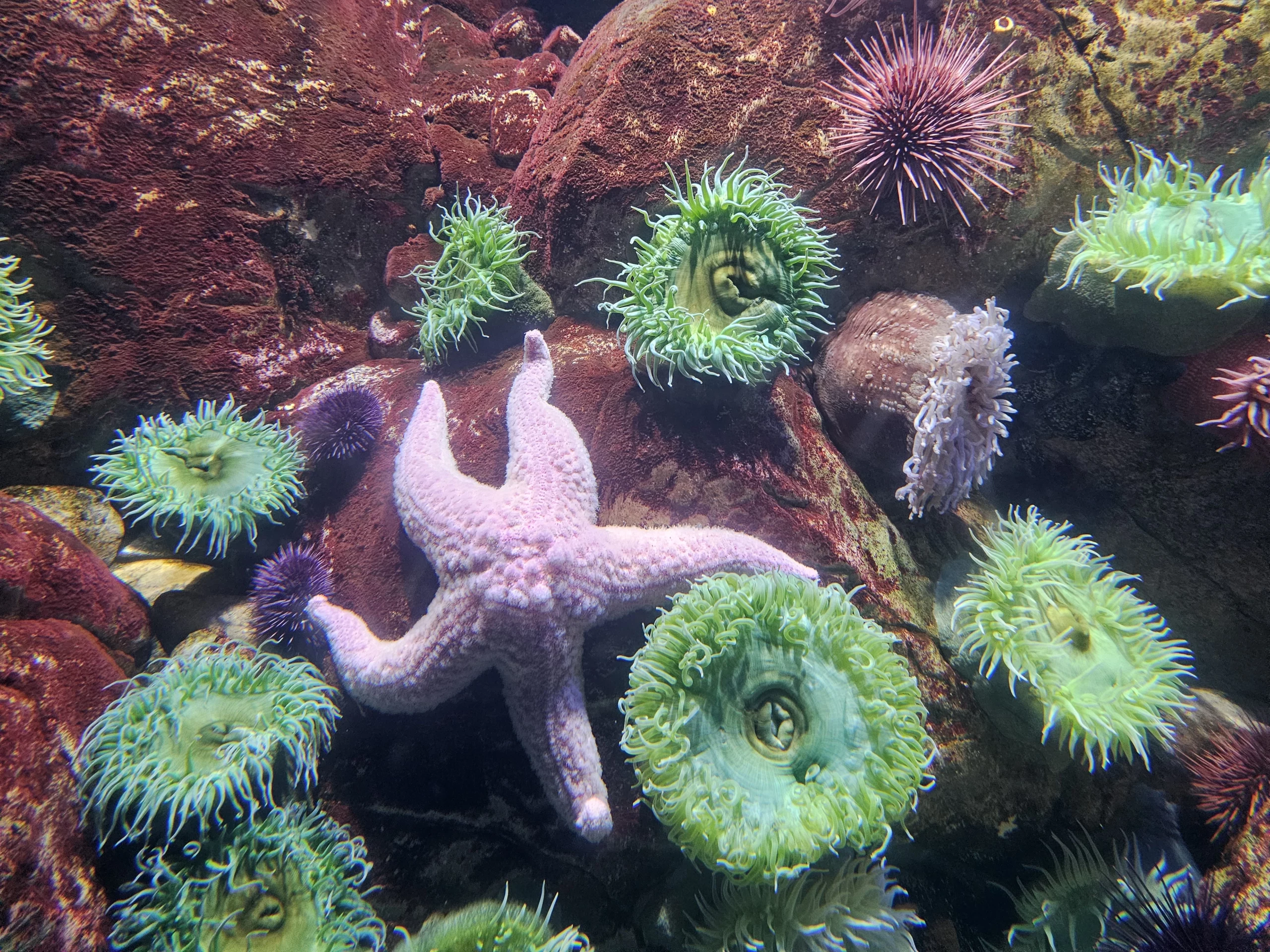
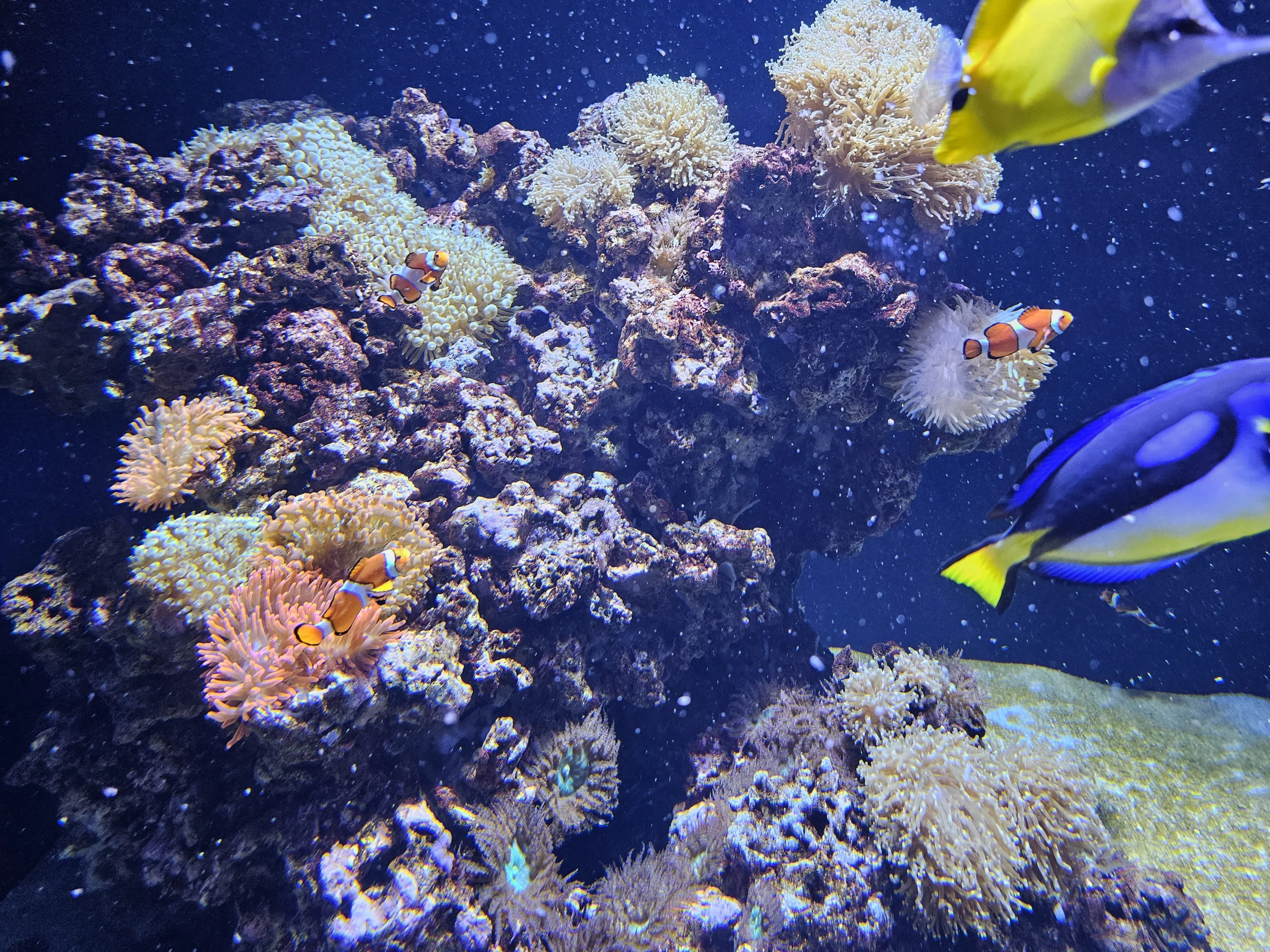
Visitors can explore these habitats across two levels (terrestrial and underwater), featuring the permanent “One Planet, One Ocean” exhibit, interactive displays on sharks, sunfish, and more—don’t miss the temporary exhibitions for a complete experience!
Conservation & Research
The Oceanário actively promotes ocean conservation through scientific research, pioneering breeding of species like sea otters, sharks and rays, and sharing with international networks to preserve marine biodiversity.
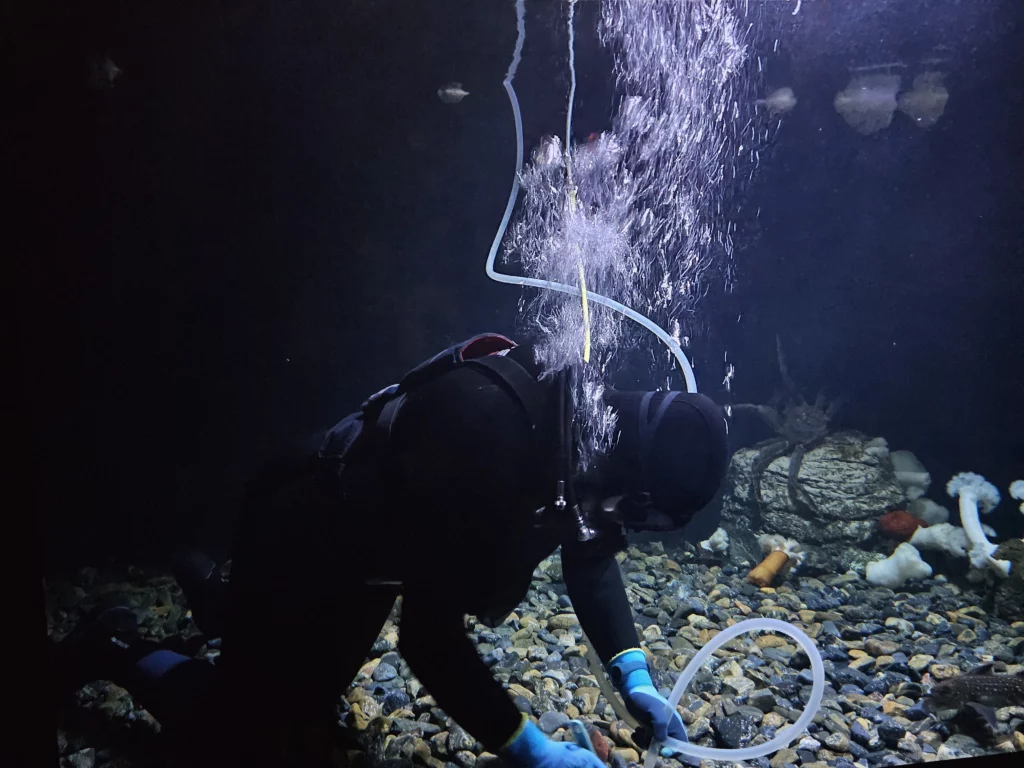
Clownfish to Sea Otters (100+ Species)
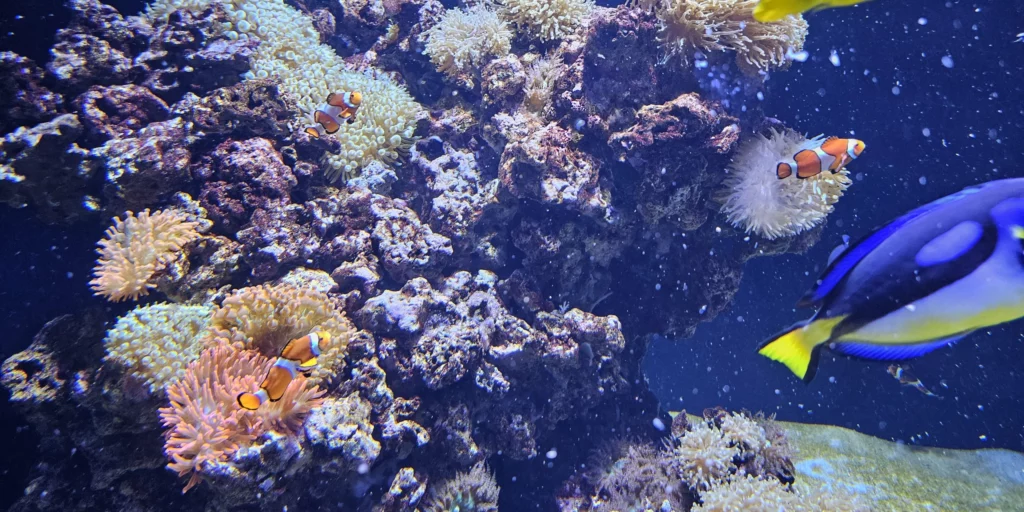
Clownfish
Clownfish, also known as anemonefish, are small, brightly colored marine fish famous for their symbiotic relationship with sea anemones.
They live in small groups with a strict dominance order: the largest is female, next is breeding male, and smaller non-breeders. If the female dies, the male becomes female (sequential hermaphroditism).
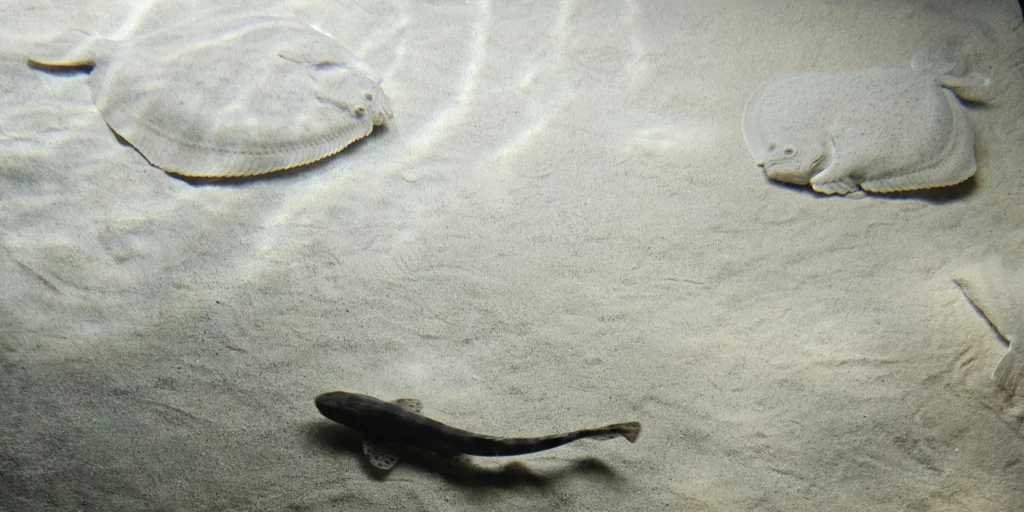
Flatfishes
Flatfish are bony fish famous for their striking asymmetry—both eyes positioned on one side of the head, paired with ultra-flat bodies perfect for life on the seafloor.
They lurk on sandy or muddy ocean bottoms across the globe, from shallow waters down to depths of 2,000 meters, patiently ambushing prey like worms, shrimp, crabs, and small fish.
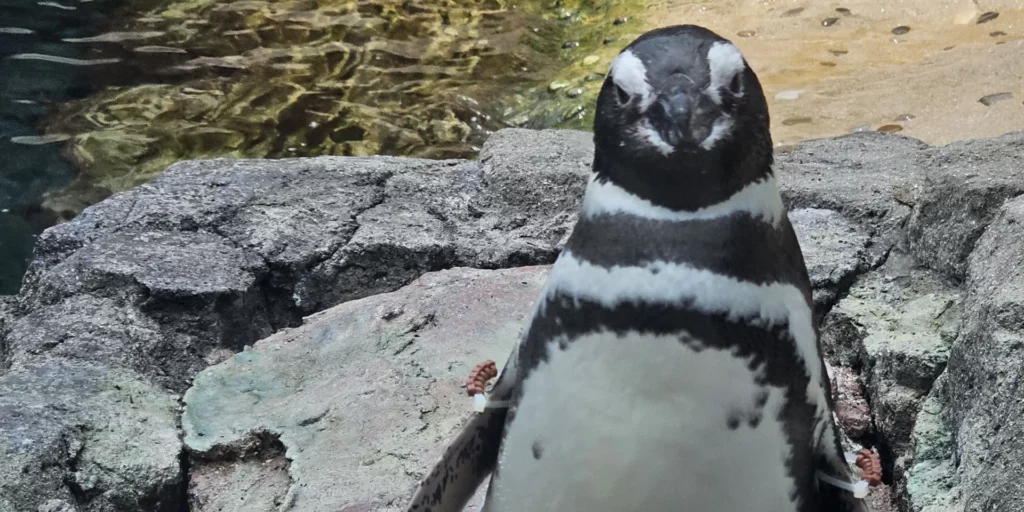
Magellanic Penguim
Magellanic penguins, native to the Southern Hemisphere’s subantarctic coasts, thrive in cold waters thanks to their thick blubber insulation.
They swim at speeds up to 40 km/h by flapping wings 2,000 times per minute. Facing risks from pollution, overfishing, and climate change.
Did you know that once a male penguin finds a mate, the pair usually stays together for life?
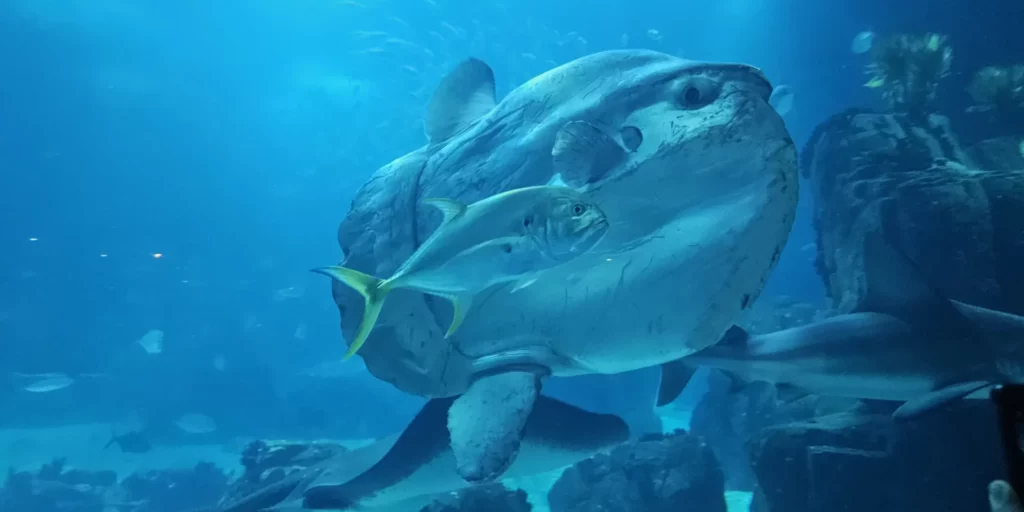
Ocean Sunfish
Ocean sunfish, also known as Mola mola, rank as the world’s heaviest bony fish, boasting some truly odd features. They can grow to over 2,000 kg and span up to 4 meters in length.
Frequently spotted lying sideways at the sea surface, they “sunbathe” to warm up after deep, chilly dives—which unfortunately puts them at great risk from passing fishing boats.
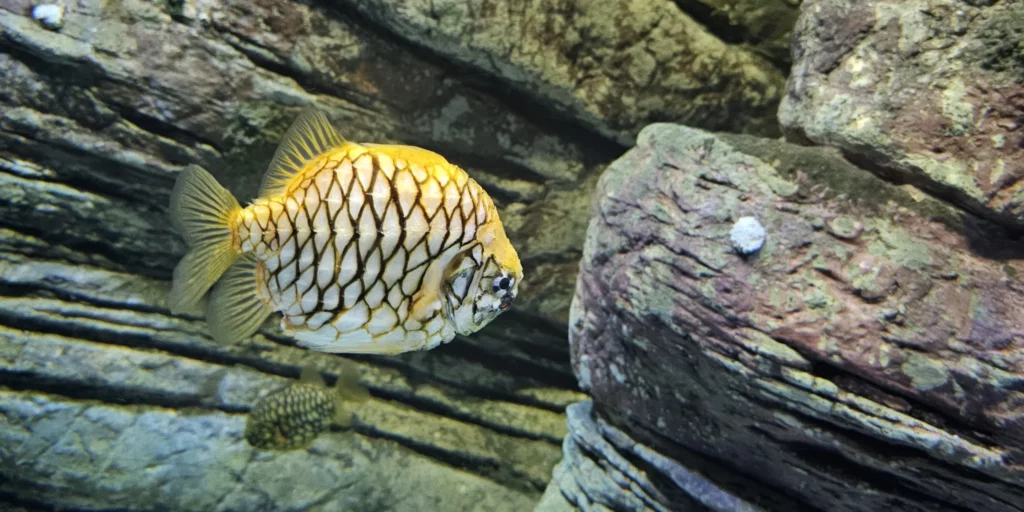
Pineapplefish
Pineapplefish (Cleidopus gloriamaris) are quirky, armored fish native to Australia’s coastal waters, named for their yellow bodies covered in black-rimmed scales that mimic a pineapple’s texture.
Unique light organs on each side of the lower jaw house glowing bacteria, producing green light (shifting to red with age) that’s hidden when the mouth closes—used to lure nighttime prey.
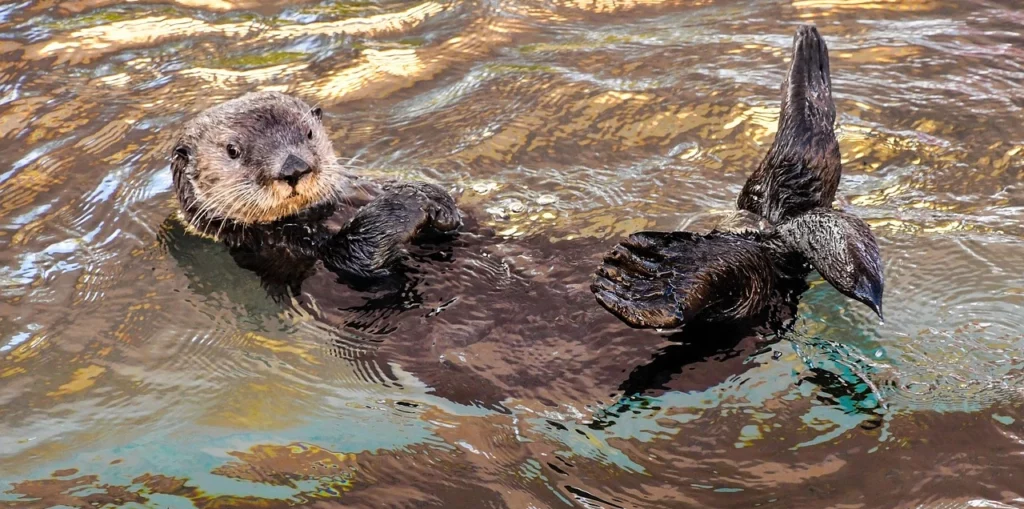
Sea otter
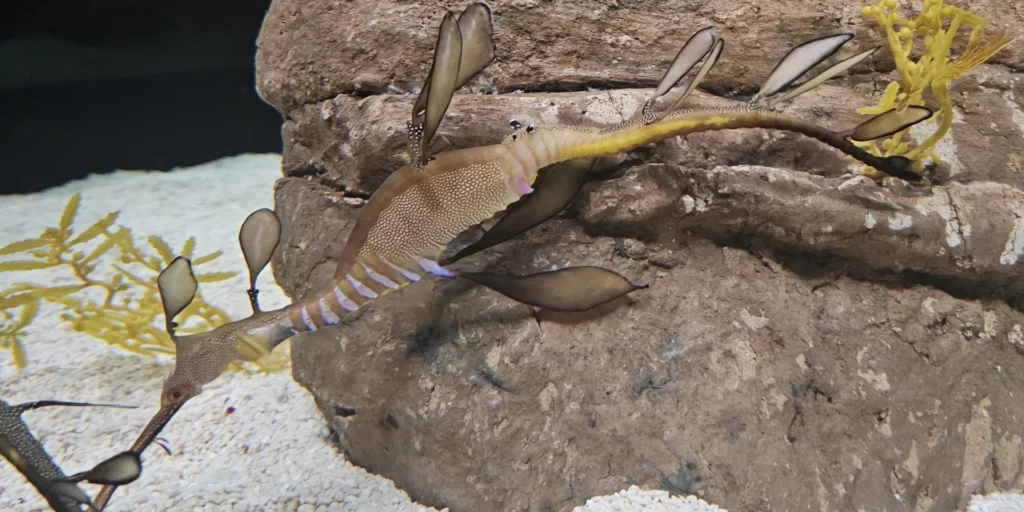
Seadragons
Seadragons, close kin to seahorses, inhabit only the temperate coastal waters off southern Australia.
They dwell among rocky reefs and seagrass meadows, slow swimmers who rely completely on masterful camouflage rather than speed.
Best of Lisbon
Frequently Asked Questions
Lisboa Card
Bestseller Ticket
Lisboa Card Explained
The Lisboa Card combines all in one. A transport pass, an attraction ticket, and a discount card.
Metro ride to/from the airport included
- Buy your card online. Choose the best option for you: 24h, 48h or 72h card.
- Pick up your card in Askme Lisboa Desks. You will receive a digital voucher (valid for 6 months) to collect your card at one of the pick-up locations (check info below).
- Lisboa Card is valid from first use onward (not from the date of purchase).
You can collect your Lisboa Card in one of Ask Me Lisboa
Ask Me Lisboa | Lisbon Airport – Daily 7:00 – 10pm
Arrivals, Airport – Alameda das Comunidades, 1700-008
Ask Me Lisboa | Terreiro do Paço – Daily 10:00 – 19:00
Praça do Comércio, 1100-148
Codfish History Center – Daily 10:00 – 19:00
Terreiro do Paço – Torreão Nascente, 1100-148
Ask Me Lisboa | Cais do Sodré – Daily 09:00 – 13:00 & 14:00 – 18:00
Praça do Duque de Terceira, 1200-161
Ask Me Lisboa | Rossio – Daily 09:00 – 13:00 & 14:00 – 18:00, except Sundays and Mondays.
Praça do D. Pedro IV, Rossio, Lisboa
Ask Me Sintra | CP Station – Daily 09:00 – 13:00 & 14:00 – 17:30, except Sundays and Mondays.
Av. Dr. Miguel Bombarda, 2710-590 Sintra
Free pass in +50 museums, monuments and places of interest.
10% to 50% discount on local services and cultural and tourist interest.
Day Trips from Lisbon
We’re a Tiqets affiliate, an online booking platform with cancellations & 24/7 support. This is not the official website.